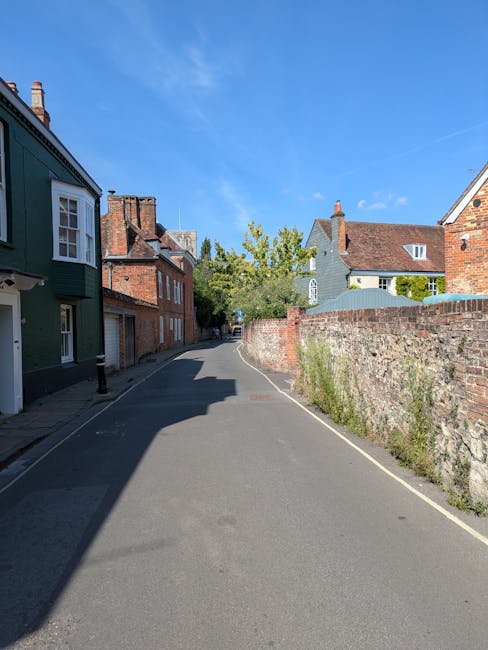
North Street Sudbury removals tips for narrow access
If you are planning a move on North Street in Sudbury, you may already know the awkward part is not the lifting. It is the access. Tight turns, narrow road width, limited loading space, awkward parking, and front doors that feel one bin-lid away from the kerb can turn a simple move into a bit of a chess match. That is where sensible North Street Sudbury removals tips for narrow access make all the difference.
In this guide, we will walk through the practical side of moving in a tight street: how to plan the vehicle, protect furniture, reduce delays, work around parking pressure, and avoid the little mistakes that cause the big headaches. Truth be told, narrow access moves are usually manageable when the plan is right. The trick is to think ahead, stay realistic, and use the street to your advantage instead of fighting it.
Whether you are moving a flat, a family home, or just a few awkward items, this article is designed to help you make better decisions, ask the right questions, and feel calmer on moving day.
Table of Contents
- Why narrow access matters on North Street
- How a narrow-access move usually works
- Key benefits and practical advantages
- Who this is for and when it makes sense
- Step-by-step guidance
- Expert tips for better results
- Common mistakes to avoid
- Tools, resources and recommendations
- Law, compliance, standards, or best practice
- Options, methods, or comparison table
- Case study or real-world example
- Practical checklist
- Conclusion
- Frequently asked questions
Why North Street Sudbury removals tips for narrow access Matters
Narrow access changes the whole shape of a removal. On a wider road, crews can park close, unload in a straight line, and keep moving. On a tighter street, every extra metre matters. The van may need to stop slightly further away. Heavy furniture may need to be carried at a more awkward angle. Doors, steps, low walls, railings, cars, and pedestrians all become part of the plan.
That might sound obvious, but this is where people get caught out. They assume the move will work itself out on the day. It rarely does. A narrow street rewards planning and punishes guesswork.
North Street-style access issues matter for three main reasons:
- Time: loading takes longer when the vehicle cannot sit right outside the property.
- Safety: more lifting, tighter corners, and more reversing increase the chance of knocks or strain.
- Cost: delays, extra labour, extra trips, or parking mistakes can all add pressure.
If you have ever watched someone trying to angle a sofa around a parked car while a neighbour's delivery van waits behind them, you will know the feeling. Slightly tense. Slightly chaotic. Not ideal.
Careful planning turns that into a controlled process instead of a scramble. And that is really the point.
How North Street Sudbury removals tips for narrow access Works
A narrow-access move works best when you treat the property, the street, and the vehicle as one combined system. You are not just moving boxes from A to B. You are mapping out the route between the front door and the van, then making that route as simple as possible.
Here is the basic flow:
- Assess the access: look at the road width, parking, turning space, steps, and any awkward corners.
- Match the vehicle to the street: a smaller van or a more flexible vehicle can often save time and stress.
- Break the load into sections: move items in a sensible order, not just by weight but by shape and fragility.
- Create a clean path: keep hallways, doorways, and the kerbside area clear.
- Load with the route in mind: place items in the van so the first drop-off is easy to reach.
- Allow for delays: narrow access often means a few extra minutes here and there, so build that into the schedule.
This is why good removals planning feels calm on the day. Nothing magical, just preparation. A lot of the stress disappears once everyone knows where the van can stop, which items need extra care, and who is responsible for what.
If you are arranging a domestic move and want a broader view of what a proper service looks like, it may help to review the company's home moves approach as part of your planning. For smaller or more flexible jobs, the man and van option can also suit narrow streets well when access is tight and speed matters.
Key Benefits and Practical Advantages
When narrow access is managed properly, the benefits are not subtle. They show up in smoother loading, fewer risks, and a move that feels a lot less exhausting than it might have done otherwise.
- Less lifting stress: shorter carry distances and better item planning reduce strain.
- Fewer delays: a realistic parking and unloading plan keeps the job moving.
- Better protection for furniture: fewer awkward turns means fewer knocks to doors, corners, and frames.
- Cleaner coordination with neighbours: less blocking of shared access or curb space.
- Improved cost control: fewer mistakes can mean fewer avoidable extras.
There is also a less obvious benefit: confidence. Once you know the van choice, parking approach, and loading method all make sense for the street, the move feels less like improvisation. You can breathe a bit easier. Helpful, that.
For many people, narrow-access planning is especially useful because it lets them choose the right type of service rather than overpaying for something oversized. If that is a concern, a quick look at pricing and quotes can help set expectations before you commit to a vehicle or crew.
Who This Is For and When It Makes Sense
This advice is for anyone moving from a property where access is not generous. That includes terraced houses, flats on busy streets, homes with tight driveways, shared courtyards, and roads where parking is already a daily puzzle. North Street in Sudbury can present exactly that kind of challenge, especially at busier times of day.
It makes sense if:
- your front door is close to the road but the access point is narrow or awkward;
- you have long or bulky furniture that will need careful angle work;
- parking is limited or likely to be shared with neighbours, visitors, or trade vehicles;
- you are moving in or out on a weekend, when street space is often tighter;
- you want to avoid multiple trips because of a smaller vehicle setup;
- you have stairs, steps, low ceilings, or a tight hallway at either end.
It is also relevant if you are comparing moving options and trying to decide whether a smaller van, a larger removal vehicle, or a mixed approach is the best fit. Not every move needs a full-size truck. Sometimes the smartest move is the more nimble one. A very British truth, that.
If you are weighing up different provider types, the local context matters. You may find it useful to compare a dedicated removal company with a more flexible removal services option, especially when the street layout itself is part of the challenge.
Step-by-Step Guidance
1. Check the access before booking anything
Start with a proper look at the property and street. Do not rely only on memory. Walk the route from the door to the kerb. Measure door widths, note low walls, check for overhanging branches, and look at where a van could legally and safely stop. If you can, take photos in daylight. Evening light hides more than people realise.
Ask yourself: can a van stop close enough without blocking traffic? Is there a place to turn? Will a long wheelbase vehicle fit, or would a smaller van reduce stress? These questions sound basic, but they shape everything else.
2. Decide what kind of vehicle suits the street
Narrow streets often favour a smaller, easier-to-place van rather than the biggest vehicle available. That does not mean you need to cram everything into a tiny space and hope for the best. It means matching capacity to access. Sometimes a smaller removal van is more efficient than a larger truck that cannot get near the property.
Think in practical terms: if the vehicle is too large for the street, your savings disappear into extra carrying time. If the vehicle is too small, you might need additional runs. The sweet spot is usually the one that gets as close as possible without causing a parking or turning headache.
3. Reserve space and plan loading times
When access is narrow, timing matters almost as much as vehicle choice. A quiet early slot can make life easier. If the road is usually busy, arrange loading when the street is less congested. Keep household vehicles moved beforehand if you can.
People often underestimate how much a single parked car can change the job. One car can force a longer carry, and one longer carry can slow the entire day. Small problem, big ripple.
4. Prepare the property internally
Pack and stage items so the most awkward pieces come out in the correct order. Flat-pack items, mirrors, and fragile boxes should be accessible and clearly labelled. Disassemble what you can in advance if it makes sense. Put screws and fittings in a small labelled bag, not a mystery tin where they vanish forever. We have all been there.
Move shoes, coats, mats, and loose clutter away from the route. In a narrow hallway, even a small obstruction can cause a wobble or a scrape.
5. Load strategically, not randomly
On narrow-access jobs, loading strategy really helps. Put the heaviest and least delicate items in first, but also think about where they will need to come out. If the van is being unloaded into a tight street at the destination, place the priority items near the back or in the easiest-to-reach position.
Break down the move into sequences:
- large furniture and white goods;
- medium boxes and awkward shaped items;
- fragile or light items;
- last-minute essentials for quick access on arrival.
6. Keep communication simple on the day
One person should coordinate access, parking, and item placement. Too many voices on a narrow street can slow things down. A quick walk-through before unloading begins saves repeated questions later. It also reduces the chance of something being set down in the wrong place and then moved twice. Double handling. Nobody loves that.
If you want support with delicate, boxed, or multi-room moves, a service such as packing and unpacking services can be a useful add-on, especially when time and access are both tight.
Expert Tips for Better Results
Here are the sort of details that experienced movers pay attention to, and they do matter.
- Check turning room at both ends: a van may fit one side but not the other.
- Use soft protection early: blankets, wraps, and corner protection prevent minor scrapes from becoming annoying damage.
- Think about weather: wet pavement, drizzle, or icy patches make tight carrying routes trickier than they look.
- Keep the path dry where possible: if shoes are muddy or the doorway gets slippery, the risk goes up.
- Mark fragile items clearly: when the crew is managing tight corners, clear labels help everyone handle items correctly.
- Plan for neighbours and pedestrians: narrow streets often mean shared space, so a polite heads-up can be very useful.
One small but effective trick: place the most frequently needed box near the end of loading but near the easiest unloading position. That way, your kettle, phone charger, keys, and a few basics are reachable without digging through half the van at dusk while someone is asking where the bedding went. Not exactly glamorous, but very useful.
If your move involves especially large or awkward furniture, it is worth reading about avoiding bulky item surcharges in Sudbury removals. Narrow access and oversized furniture can create expensive surprises if they are not discussed early.
Common Mistakes to Avoid
Narrow-access moves usually go wrong in the same handful of ways. The good news is that most of them are avoidable.
- Booking the wrong vehicle size: too big and it cannot get near the property; too small and the job drags on.
- Ignoring parking restrictions: even a brief lapse can create stress, fines, or a rushed load.
- Leaving the hallway cluttered: the route needs to be clean and open before the crew starts.
- Underestimating carry distance: ten extra metres repeated fifty times is not a small thing.
- Not measuring large items: sofas, wardrobes, mattresses, and appliances can snag on corners if you have not checked them properly.
- Failing to communicate access details: if the mover does not know about the tight gate, the low wall, or the awkward step, everyone pays for it later.
A common one is assuming the road will be "fine on the day". Maybe. Maybe not. It depends on time of day, neighbours, deliveries, school traffic, and a dozen small things that are hard to predict. Better to plan for the worst reasonable version and be pleasantly surprised if it is easier.
For a wider local perspective on access-related issues, the guide to narrow lanes in Sudbury estates and choosing the right van is a good companion read.
Tools, Resources and Recommendations
You do not need specialist kit for every move, but a few practical tools can save a lot of effort.
| Tool or resource | Why it helps | Best used for |
|---|---|---|
| Measuring tape | Checks door widths, furniture size, and route clearance | Planning tight internal and external access |
| Furniture blankets | Protects edges, paintwork, and polished surfaces | Sofas, tables, cabinets, white goods |
| Straps or ties | Keeps items stable during transport | Stacked loads and awkward shapes |
| Labels and markers | Makes unloading and room placement faster | Boxes, fragile items, priority bags |
| Floor protection | Helps reduce scuffs and dirt during repeated trips | Hallways, thresholds, and shared entrances |
| Small van option | Easier to place in narrow streets | Homes with limited kerbside space |
You may also want to check whether a move would benefit from a simple man-and-van setup rather than a more formal full-load service. For local flexibility, the man with van and man and van removals pages can be helpful starting points when access is the main constraint rather than sheer volume.
If you are moving a whole property and want a fuller service, the broader house removals page gives a better sense of how a more complete moving arrangement can be structured. That can matter when narrow access is just one part of a bigger move.
Law, Compliance, Standards, or Best Practice
For narrow-access removals, compliance usually comes down to parking, road use, safe loading, and common-sense care. Exact requirements can vary depending on local conditions, road layout, and any restrictions in place at the time of the move. So it is best to treat this as a planning issue as much as a transport issue.
At a practical level, best practice usually includes:
- checking whether any parking restrictions may affect the van's stopping point;
- avoiding obstruction of access for neighbours, emergency services, or passing traffic;
- keeping walkways as clear as possible during loading;
- using safe lifting and carrying methods for heavy or awkward items;
- making sure insurance and handling arrangements are appropriate for the job;
- being honest about access limitations before moving day.
If you are unsure about the safety side, reviewing a mover's health and safety policy and insurance and safety information is a sensible step. That is not overcautious. It is just sensible due diligence, especially when the street is tight and the margin for error is small.
It can also be useful to consider how parking and loading are handled in practice. The blog post on permits or parking suspensions for Sudbury moves is relevant if your road access is likely to be constrained by parking rules or timing.
Options, Methods, or Comparison Table
Not every narrow-access move needs the same solution. The best option depends on the size of the load, the street width, and how much walking distance you can tolerate.
| Option | Best for | Pros | Trade-offs |
|---|---|---|---|
| Small van | Very tight streets, light-to-medium loads | Easier parking, more flexible access | May need more care with volume planning |
| Medium van | Moderate loads with some parking space | Good balance of capacity and manoeuvrability | Needs a bit more room to position |
| Large removal vehicle | Bulkier jobs with enough access room | Fewer trips, strong capacity | Can struggle on narrow roads or tight turns |
| Mixed approach | Awkward homes, mixed item sizes | Flexible and practical | Requires better coordination |
If you are undecided, a mixed approach often works well: use a vehicle that fits the street, then plan the load carefully so the move stays efficient. A bigger van is not automatically better. Sometimes it just becomes a large metal problem parked at the wrong angle.
Case Study or Real-World Example
Picture a typical North Street-style move: a two-bedroom flat, a narrow pavement, parked cars opposite, and no generous loading bay outside the front door. The first instinct might be to insist on the biggest van possible and hope it all fits in one run. On paper, that sounds efficient. In reality, it can make the street access worse.
In a more workable version of the move, the team first checks where the vehicle can stop without blocking the flow of traffic. They identify a point a short carry away that still leaves room for pedestrians. Inside, boxes are staged by room, with the heaviest pieces grouped together and the fragile items clearly marked. The sofa is measured before lifting, and one awkward turn at the front door is checked before the rest of the furniture comes out.
Because the vehicle choice suits the road, loading feels more controlled. There is a little extra carrying, yes, but not enough to create chaos. The move finishes on time, the hallway is left intact, and the customer does not spend the afternoon apologising to the neighbours. That is the kind of outcome narrow-access planning is meant to achieve.
If you want a local example with a similar access challenge, the guide to tight driveways in Sudbury is a useful reference point. Different street, same principle: fit the plan to the access, not the other way round.
Practical Checklist
Use this before moving day. A quick checklist is often the difference between a smooth start and a messy one.
- Measure the main items that need moving.
- Check the route from the front door to the road.
- Photograph any tight turns, steps, or access pinch points.
- Confirm where the van can safely stop.
- Identify any parking restrictions or likely congestion.
- Pack and label boxes by room.
- Disassemble large furniture if needed and practical.
- Protect floors, corners, and delicate furniture surfaces.
- Keep the path clear of shoes, mats, bins, and loose items.
- Prepare a priority bag with keys, phone charger, essentials, and paperwork.
- Tell your mover about anything awkward before the day.
- Allow a little extra time for loading and unloading.
Expert summary: narrow access is rarely a deal-breaker, but it does punish poor planning. The safest and most cost-effective approach is to match the vehicle to the street, keep the route clear, and make loading decisions before anyone starts lifting.
Conclusion
North Street Sudbury removals tips for narrow access come down to one simple idea: do not treat access as an afterthought. The street, the van, the parking, and the furniture all need to work together. Once you accept that, the move becomes far easier to manage.
The biggest wins usually come from the small things. Measuring properly. Choosing the right vehicle. Protecting the route. Being realistic about timing. None of it is flashy, but it saves stress in a way you really notice on the day. And when the last box comes out and the doorway is finally clear, that calm feeling is worth a lot.
Get a free quote today and see how much you can save.
If you are still deciding how to approach the move, start with the access, then build everything else around it. That simple shift can make a narrow street feel a lot more manageable, and a lot less like a puzzle you have to solve in a hurry.
Frequently Asked Questions
What makes North Street Sudbury removals difficult when access is narrow?
The main challenges are parking, turning space, carry distance, and the need to move furniture through a tighter route. Even a short stretch from van to door can slow everything down if the street is busy or the vehicle is too large.
Should I use a small van or a larger removal vehicle?
It depends on the load and the street. In a tight access setting, a smaller or medium van is often easier to place and can save time overall. A larger vehicle only helps if it can actually get close enough to the property.
How do I know if my furniture will fit through the doorway?
Measure the widest parts of the item and compare them with the narrowest points in the route, including door frames and turns. Sofas, wardrobes, and beds often fail at the corner rather than the doorway itself, which catches people out.
Do I need to tell the removals team about access issues in advance?
Yes. The earlier you share the details, the better the plan will be. Access issues affect vehicle choice, labour planning, timing, and sometimes whether a second trip is needed. It is one of those things that sounds small but changes everything.
Can narrow access increase the cost of a move?
It can, depending on the extra time, labour, or vehicle arrangement needed. That is why getting a clear quote based on real access details is so useful. Surprises on moving day are not anyone's favourite moment.
What should I do about parking on a narrow road?
Check where stopping is likely to be possible, and think about whether nearby parked cars or restrictions may interfere. If the road is usually busy, timing matters. A slightly earlier or quieter slot can make the whole job much easier.
Is a man-and-van service suitable for narrow access?
Often, yes. A more flexible vehicle and smaller crew setup can be ideal where access is tight and the load is manageable. For many local moves, it is a practical middle ground between doing it yourself and booking a full-scale removals lorry.
How can I protect walls and furniture during a tight move?
Use blankets, corner protection, and a clear carry route. Move slowly around turns, especially where doors or railings create pinch points. A little protection at the start usually saves a lot of regret later.
What if the van cannot park right outside my property?
That is common on narrow streets. The answer is to plan for a longer carry distance and stage items efficiently so the team is not constantly doubling back. If the route is clear and the load is organised, it is still perfectly workable.
How far in advance should I plan a narrow-access move?
As early as you can, ideally once the move date is known. You do not need a full military operation, just enough time to measure, assess parking, and choose the right vehicle. A few extra days of planning can make the move feel much more relaxed.
What are the biggest mistakes people make with narrow access removals?
The most common mistakes are booking the wrong vehicle, not measuring furniture, ignoring parking constraints, and leaving clutter in the moving route. They are simple errors, but they create a lot of friction. Avoiding them makes the day flow much better.
Where can I find more help with Sudbury moving issues?
It can help to look at related local guidance on parking, vehicle choice, and access planning, especially if your move is part of a busy street or tight driveway situation. A bit of local know-how goes a long way, and honestly, it saves you from a lot of avoidable stress.